

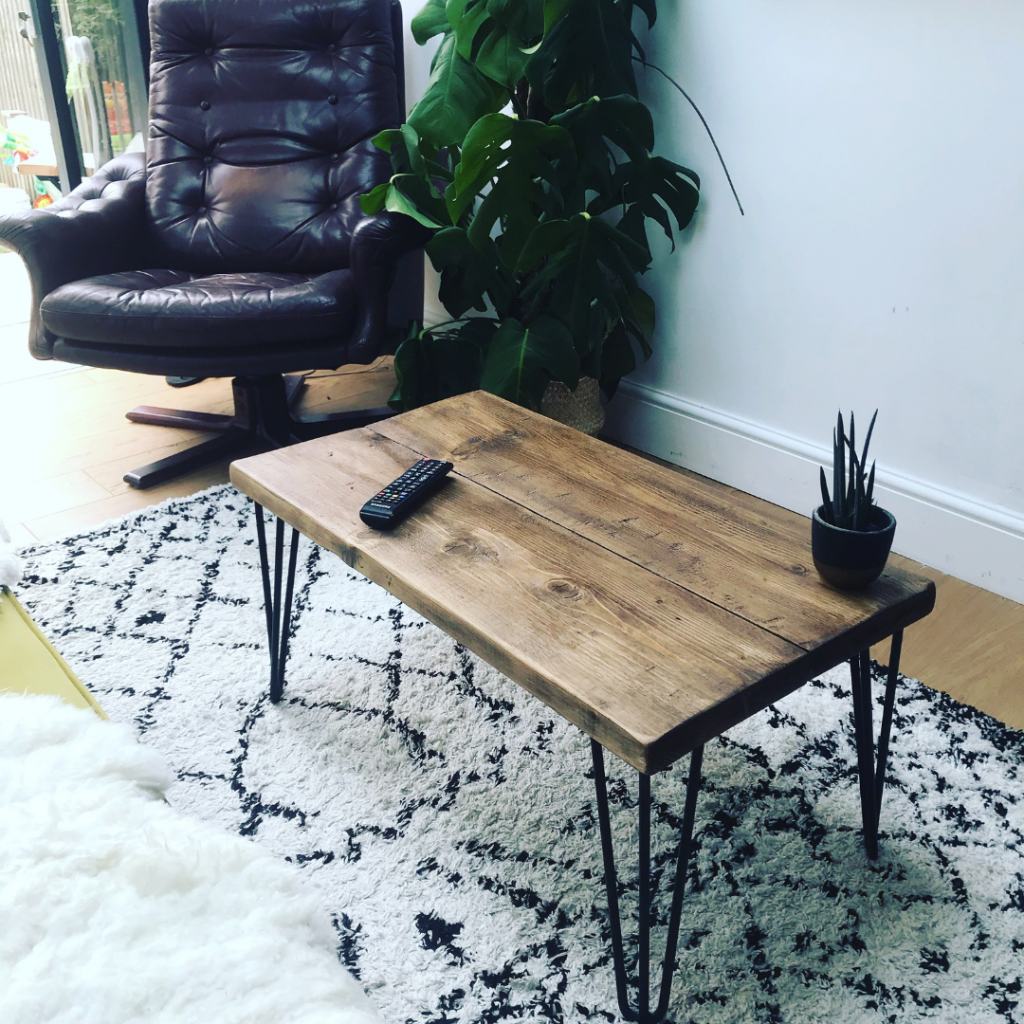
Embrace sustainability and unique style with a reclaimed wood coffee table. More than just a surface to rest your coffee, it’s a conversation piece, a testament to eco-conscious living, and a way to bring character into your living room. This guide explores how to incorporate reclaimed wood furniture into your home, focusing on coffee tables, and provides the knowledge you need for long-lasting enjoyment and effortless maintenance.
The Allure of Reclaimed Wood: Sustainability Meets Style
Reclaimed wood offers a compelling alternative to newly sourced lumber. It gives timber a second life, diverting it from landfills and reducing the demand for virgin wood. This not only benefits the environment but also imbues each piece with a unique history and character. The imperfections, nail holes, and weathered textures tell a story, making your coffee table a truly one-of-a-kind item. Compared to alternatives like MDF or particleboard, solid wood furniture, especially reclaimed wood, boasts superior durability and longevity.
Finding the Perfect Reclaimed Wood Coffee Table
When searching for your ideal reclaimed wood coffee table, consider the following: Size and Shape: Measure your living room space carefully. A coffee table should be proportional to your sofa and surrounding furniture, allowing for comfortable movement. Consider rectangular, square, round, or oval shapes based on your layout and preferences. Wood Type and Finish: Reclaimed wood can come from various sources, including barns, factories, and old homes. Each type of wood possesses different characteristics in terms of color, grain pattern, and hardness. Common options include: Oak:Known for its durability and prominent grain, oak provides a classic and sturdy option.
Pine: A softer wood, pine offers a rustic look and readily accepts stains and finishes.
Maple: With a tight grain and smooth surface, maple offers a more contemporary feel.
Barnwood: Often a mix of different wood types, barnwood provides a unique, weathered aesthetic. Style and Design: Reclaimed wood coffee tables come in a wide range of styles, from rustic and industrial to modern and minimalist. Choose a style that complements your existing living room decor. Storage:Consider whether you need a coffee table with shelves, drawers, or a lift-top mechanism for added storage.
Integrating Reclaimed Wood into Your Living Room Design
A reclaimed wood coffee table can serve as a focal point or seamlessly blend into your existing decor. Here are some design tips: Mixing Wood Tones: Don't be afraid to mix different wood tones in your living room. A reclaimed wood coffee table can add warmth and visual interest to a space with lighter or darker flooring and furniture. Pairing with Flooring: Consider the color and texture of your flooring when selecting a reclaimed wood coffee table. For example, a rustic coffee table can complement hardwood floors, while a more refined coffee table can work well with tile or carpet. Updating Traditional Styles: A reclaimed wood coffee table can add a touch of contemporary flair to a traditional living room. Pair it with classic sofas and armchairs for a balanced look. Creating Contrast: Juxtapose the rustic nature of reclaimed wood with sleek, modern elements like metal accents or glass surfaces. This creates a visually dynamic and interesting space. Accessorizing:Style your coffee table with books, candles, plants, and decorative objects that reflect your personal taste.
Caring for Your Reclaimed Wood Coffee Table: Maintenance and Restoration
Proper care will ensure your reclaimed wood coffee table lasts for years to come. Here's how to maintain and, if necessary, restore its beauty:
Routine Cleaning and Maintenance
Dust Regularly: Use a soft, dry cloth to dust your coffee table regularly. This will prevent dust and grime from building up and damaging the finish. Clean Spills Immediately: Wipe up spills immediately with a clean, damp cloth. Avoid using harsh chemicals or abrasive cleaners. Use Coasters and Placemats: Protect the surface of your coffee table from scratches, stains, and heat damage by using coasters and placemats. Avoid Direct Sunlight: Prolonged exposure to direct sunlight can fade the finish of your coffee table. Consider using curtains or blinds to protect it.
Addressing Common Problems: Scratches, Stains, and Water Damage
Removing Scratches: Minor scratches can often be buffed out with a furniture polish or wax. For deeper scratches, you may need to use a touch-up marker or wood filler that matches the color of your coffee table. Removing Stains: Different types of stains require different cleaning methods. For water stains, try using a hairdryer on a low setting to evaporate the moisture. For oil-based stains, use a mixture of baking soda and water. Repairing Water Damage:Water damage can cause warping and discoloration. If the damage is severe, you may need to sand down the affected area and refinish it.
Wood Protection Treatments
Consider applying a sealant or varnish to protect your reclaimed wood coffee table from moisture, scratches, and stains. Choose a product that is compatible with the existing finish and follow the manufacturer's instructions carefully. Beeswax polish can also be used to nourish the wood and enhance its natural beauty.
Wood Furniture Polish
Using the right wood furniture polish can drastically improve the look and feel of your reclaimed wood. Opt for polishes that contain natural oils and waxes, as these will nourish the wood and protect it from drying out. Avoid polishes that contain silicone, as they can leave a residue and make it difficult to refinish the furniture in the future.
DIY Furniture Refinishing: Reviving Your Reclaimed Wood
If your reclaimed wood coffee table is looking worn or outdated, you can refinish it yourself. Here's a step-by-step guide:
1.Prepare the Surface: Sand down the coffee table to remove the old finish. Start with coarse-grit sandpaper and gradually move to finer grits.
2.Clean the Surface: Remove all dust and debris with a tack cloth.
3.Apply Stain (Optional): If you want to change the color of your coffee table, apply a stain according to the manufacturer's instructions. Best stain colors for reclaimed wood often enhance the natural grain and character of the wood, with popular choices including warm browns, grays, and natural tones.
4.Apply Finish: Apply a protective finish, such as varnish, lacquer, or polyurethane. Follow the manufacturer's instructions carefully. Multiple thin coats are better than one thick coat.
5.Allow to Dry: Allow the finish to dry completely before using your coffee table.
Common Mistakes When Painting, Staining, or Refinishing Wood Furniture
Avoid these common pitfalls to ensure a successful refinishing project: Skipping Surface Preparation: Proper sanding and cleaning are essential for a smooth and durable finish. Applying Too Much Finish: Applying too much finish can result in drips, runs, and an uneven surface. Using the Wrong Products: Using incompatible stains, finishes, or cleaners can damage your coffee table. Rushing the Process: Allow adequate drying time between coats of stain and finish.
Choosing the Right Stain Options
Selecting the appropriate stain depends on the type of wood and the desired aesthetic. For instance, on pine, a gel stain may prevent blotchiness. On oak, consider a stain that highlights the grain patterns. Always test the stain on an inconspicuous area first.
Professional vs. DIY Restoration: Cost, Effort, and Results
While DIY refinishing can be a rewarding experience, it's not always the best option. If your reclaimed wood coffee table is particularly valuable or has intricate details, it may be best to hire a professional furniture restorer.
Cost: Professional restoration is typically more expensive than DIY refinishing. Effort: DIY refinishing requires time, effort, and skill. Results:Professional restoration can achieve a higher level of quality and detail.
Eco-Friendly Choices for a Sustainable Living Room
Enhance your sustainable living room with eco-conscious choices that extend beyond reclaimed wood furniture.
Non-Toxic Paints and Finishes: Opt for paints and finishes that are low in volatile organic compounds (VOCs) to minimize indoor air pollution. Beeswax Polish: Use beeswax polish to nourish and protect your wood furniture without harmful chemicals. Natural Fiber Rugs: Choose rugs made from natural fibers like wool, cotton, or jute. Organic Cotton Upholstery: Select sofas and armchairs upholstered in organic cotton or other sustainable fabrics.
Seasonal Care: Protecting Your Furniture Year-Round
The changing seasons can impact your wood furniture. Implement these seasonal wood furniture care tips: Summer: Protect outdoor wood finishes from UV damage and excessive moisture by applying a sealant. Winter: Maintain indoor humidity levels to prevent wood from drying out and cracking.
By following these tips, you can create a beautiful and sustainable living room that reflects your values and enhances your lifestyle. A reclaimed wood coffee table is a perfect starting point for embracing eco-conscious design and adding a unique touch of character to your home.