

Let's be honest: laundry is nobody’s favorite chore. It's time-consuming, the folding is the worst, and sometimes you justknowyou’re going to end up with a rogue sock destined for a life of solo adventures. But beyond the inconvenience, there's also the bigger question swirling around in the wash: how frequentlyshouldwe actually be cleaning our clothes? Are we overwashing them, damaging the fabrics and wasting resources, or are we risking a hygiene faux pas by holding off too long? It's a question that has plagued me for years, and through plenty of personal experience (and a fair bit of research), I've finally started to figure out the best approach. This guide shares what I've learned.
The Laundry Lowdown: How Often is Often Enough?
My own laundry habits have gone through several phases. In college, "laundry day" was more of a "laundry week…or two" situation, driven by a combination of procrastination and a very limited wardrobe. Post-college, I swung to the other extreme, meticulously washing everything after a single wear, convinced that cleanliness was next to godliness (and maybe also hoping to impress my new roommate). Now, I've settled into a more balanced routine, one that considers fabric type, activity level, and a healthy dose of common sense. It's a journey, not a sprint, and there’s no single “right” answer for everyone.
The frequency with which you need to wash your clothes depends on several factors. Let’s break them down:
1. Activity Level: Sweat Happens
This is a big one. If you've been hitting the gym hard, running a marathon (literal or metaphorical!), or simply live in a hot and humid climate, your clothes are going to be sweatier. Sweat not only leads to odor but also can break down fabrics over time, particularly synthetics. Clothes saturated with sweat should ideally be washed after each wear.
Actionable Tip: For workouts, consider investing in moisture-wicking fabrics. These fabrics help to draw sweat away from your skin, reducing odor and potentially extending the time between washes. Also, be sure to thoroughly air out your workout clothes after each session, even if you're not washing them immediately. Hanging them in a well-ventilated area will help prevent bacteria from breeding and reduce unpleasant smells.
2. The Type of Garment: Not All Clothes Are Created Equal
Think about it: the shirt you wear to a fancy dinner isn't subjected to the same wear and tear as the jeans you wear while gardening. Different types of clothing require different washing schedules.
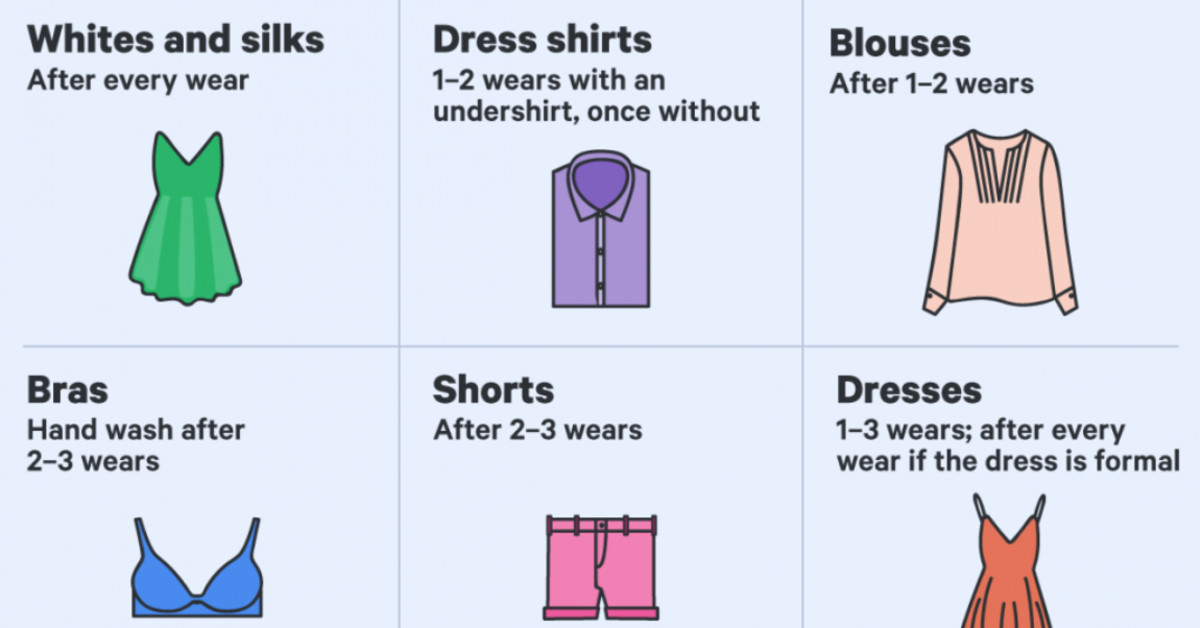
Underwear & Socks: These should be washed aftereverywear. No exceptions. T-shirts & Tank Tops: Similar to underwear and socks, T-shirts and tank tops should be washed after each wear, especially if you've been sweating. Jeans: This is where things get controversial. Some denim purists argue that jeans shouldneverbe washed, only spot-cleaned and aired out. While I don't subscribe to that extreme, jeans generally don't need to be washed after every wear. Unless they're visibly soiled or starting to smell, you can usually get away with washing them every 5-10 wears. Washing jeans less often helps them maintain their shape and color. Sweaters: Sweaters, especially those made from delicate materials like wool or cashmere, should be washed sparingly. Unless you’ve spilled something on them or worn them in a particularly smoky environment, aim for washing them every 2-3 wears, or even less frequently if you wear an undershirt. Hand-washing or dry-cleaning is often recommended for delicate sweaters. Dresses & Skirts: Depending on the fabric and the occasion, dresses and skirts can be washed after every 1-3 wears. Formal dresses might only need dry-cleaning after a special event. Suits: Suits should generally be dry-cleaned rather than washed. Aim to dry-clean them every 5-6 wears, or more frequently if they're heavily soiled. Pajamas: Pajamas can be washed every 3-4 wears unless you sweat a lot in your sleep.
3. Fabric Type: Delicate vs. Durable
The type of fabric plays a crucial role in determining washing frequency. Delicate fabrics like silk and lace require gentle care and should be washed less often. Sturdier fabrics like cotton and linen can withstand more frequent washing.
Helpful Information: Always check the care label on your clothing before washing. The label will provide specific instructions on how to wash and dry the garment, including recommended water temperature and drying methods. Following these instructions will help to prolong the life of your clothes and prevent damage.
4. The Sniff Test & The Visual Inspection
Sometimes, the best way to determine if a garment needs washing is simply to use your senses. Does it smell? Is it visibly dirty? If the answer to either of these questions is yes, then it's time for a wash. Trust your instincts! A simple sniff test can save you from unnecessary washing and extend the life of your clothes.
5. Environmental Considerations: Wash Less, Save More
Overwashing clothes isn't just bad for your fabrics; it's also bad for the environment. Washing machines use a significant amount of water and energy, and detergents can pollute waterways. By washing your clothes less frequently, you can reduce your environmental impact and save money on your water and energy bills.
Pro Tip: When youdowash, use cold water whenever possible. Cold water washing is just as effective as warm water washing for most everyday cleaning needs, and it can save a significant amount of energy. Also, consider using an eco-friendly detergent that is biodegradable and free of harsh chemicals.
6. Storage Habits: Clean Clothes Stay Cleaner
How you store your clothes can also affect how often you need to wash them. Storing clean clothes in a clean and well-ventilated space can help to prevent them from becoming musty or attracting moths. Avoid cramming your closet too full, as this can restrict airflow and lead to odors. Consider using cedar blocks or lavender sachets to naturally repel moths and keep your clothes smelling fresh.
People Also Ask: Common Laundry Quandaries
How do I know if my jeans arereallydirty enough to wash?
Ah, the age-old denim dilemma! As mentioned, unless there's an obvious stain or a lingering odor, give your jeans a good sniff and a visual inspection. Look for areas that are visibly soiled, such as around the knees or pockets. If you're still unsure, try spot-cleaning any small stains or odors. If spot-cleaning does the trick, you can hold off on washing the entire pair. If the jeans feel stretched out or loose, washing them can help them regain their shape.
What about delicates? How often should I wash my silk shirts?
Silk and other delicate fabrics like lace or chiffon require extra care. Ideally, wash silk garments as infrequently as possible. If you only wear them for a few hours and they aren't soiled, you may be able to get away with wearing them multiple times before washing. When you do wash them, hand-washing is the gentlest option. Use a mild detergent specifically designed for delicates and avoid wringing or twisting the fabric. Lay the garment flat to dry, away from direct sunlight or heat.
I have sensitive skin. Does washing clothes more often help?
While it might seem counterintuitive, overwashing clothes can actually irritate sensitive skin. Harsh detergents and frequent washing can strip fabrics of their natural oils and leave behind residue that can cause itching and irritation. If you have sensitive skin, try using a hypoallergenic detergent that is free of dyes and fragrances. Also, consider adding an extra rinse cycle to your washing machine to remove any lingering detergent residue. Washing new clothes before wearing them can also help to remove any potential irritants.
Does washing clothes inside out really make a difference?
Yes, it absolutely does! Washing your clothes inside out helps to protect the outer layer of fabric from fading and wear. This is especially important for dark-colored clothing and items with prints or embellishments. Turning your clothes inside out also helps to prevent pilling and abrasion. It's a simple step that can significantly prolong the life of your clothes and keep them looking their best.
What about dry cleaning? Is it really necessary?
Dry cleaning is a cleaning process that uses chemical solvents instead of water and detergent. It's often recommended for delicate fabrics like silk, wool, and linen, as well as for tailored garments like suits and blazers. Dry cleaning can remove stains and odors that water-based washing methods can't, and it can also help to preserve the shape and structure of your clothes. However, dry cleaning can be harsh on fabrics and it involves the use of chemicals that can be harmful to the environment. Therefore, it's best to dry clean only when necessary.
Benefits Beyond Cleanliness: The Perks of Mindful Washing
Adopting a more thoughtful approach to laundry offers benefits that extend far beyond simply having clean clothes. You’ll likely notice:
Extended Garment Lifespan: Less washing means less wear and tear, keeping your clothes looking newer for longer. Reduced Environmental Impact: Less water and energy consumption contributes to a more sustainable lifestyle. Cost Savings: Lower water, energy, and detergent bills will leave more money in your pocket. More Free Time: Less time spent doing laundry means more time for the things you actually enjoy. A More Organized Wardrobe: By being more mindful of your laundry habits, you'll be less likely to accumulate unnecessary clothing items.
Small Changes, Big Impact
Ultimately, the optimal washing frequency is a personal decision that depends on your individual lifestyle, clothing choices, and preferences. By considering the factors outlined above and listening to your intuition, you can develop a laundry routine that is both effective and sustainable. It’s about finding the right balance between cleanliness, fabric care, and environmental responsibility. Start by making small changes and observing the results. You might be surprised at how much you can reduce your laundry load without sacrificing hygiene or style. So go forth, embrace the sniff test, and reclaim your weekends from the laundry pile!